How Better Packaging Supplies Quietly Cut Customer Complaints

Every business owner knows the sting of opening their inbox and seeing yet another message that starts with, “My order arrived damaged…” It’s frustrating, and it always seems to come at the busiest times. Most people assume these problems happen because of rough shipping or careless drivers, and yes, sometimes that’s true. But far more often than anyone wants to admit, the real issue started long before the box ever left your building. It started with the packaging supplies you used without thinking twice.

When you walk through your shipping area, everything might look normal. Boxes are stacked, tape rolls are nearby, and filler materials sit in bins or bags. But if those supplies are weak, mismatched, or used in ways they were never meant to be used, then the problems have already begun. A soft box that bows when weight is added may survive your warehouse but not a truck. Tape that peels at the corners might look sealed when it leaves your hands but won’t hold when the weather changes or the box shifts. Filler that doesn’t actually keep items in place will settle during transport, letting products slide around like marbles in a jar.

Most customers don’t explain these details. They only see the result. They open a box and find something dented, cracked, or tossed inside a sloppy interior. Even if the item still works, their trust takes a hit. They start wondering whether your business is careful or careless. And once someone starts questioning your care, repeat orders become harder to earn.

Now imagine a better setup. Not fancy. Not expensive. Just intentional.

Your shelves hold boxes that actually match the kinds of items you ship most often. They’re strong enough to handle stacking, shifting, and pressure from all sides. You keep padding that fits your products instead of leftover scraps. Your tape seals clean on the first try and stays sealed during the entire journey. When someone on your team packs an order, everything fits almost naturally. There’s no forcing, no stuffing, no doubling up tape, no crossing your fingers.

The customer on the other end opens this kind of package and feels something completely different. They feel confidence. They feel calm. They feel like you respect them enough to ship their order the right way. Most people will never say, “Wow, great box!” but they absolutely notice when something feels safe and cared for. That moment right there—the quiet “this looks good”—is what cuts customer complaints long before they ever happen.
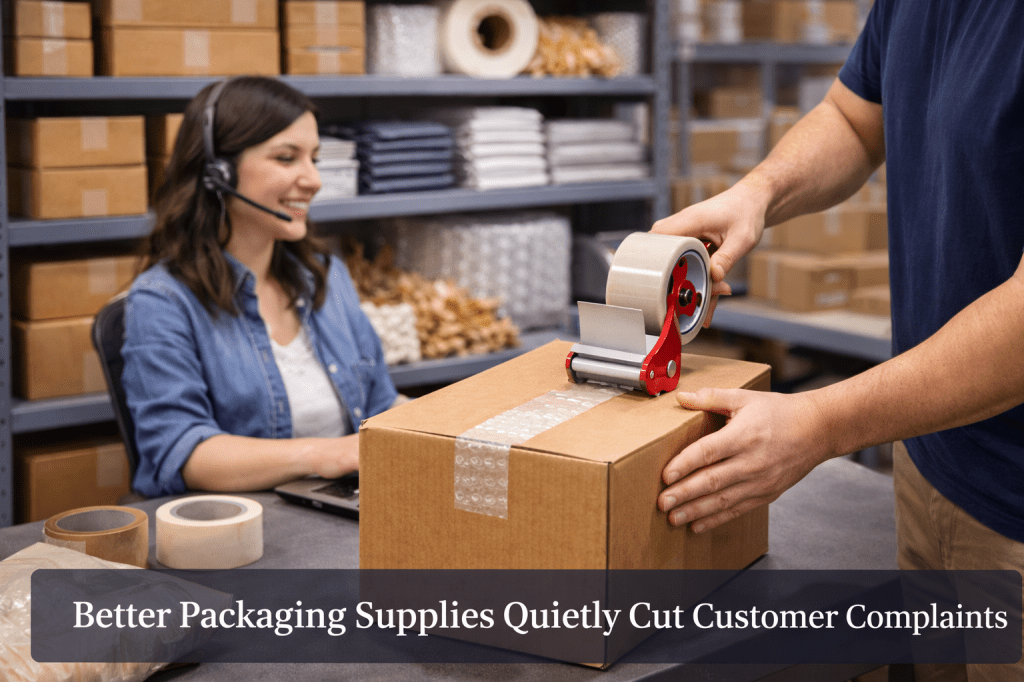
The surprising thing is how much this reduces stress inside your own business. Your support team isn’t spending their time sending replacement items or writing apology messages. Your shipping staff isn’t frustrated by flimsy supplies that slow them down. You waste less money on returns, refunds, and replacing damaged goods. You even save on shipping because the right box size means you’re not paying to send empty space across the country.

There’s another layer here that smart business owners appreciate: using packaging made from responsibly sourced or recycled materials. This isn’t about being loud or political. It’s simply about being wise. When you choose materials that are strong, efficient, and responsible, you protect both your customers and your resources at the same time.

Customer complaints don’t disappear because you begged the carrier to be gentle. They disappear because you packed every order with supplies that are built to survive the journey. When the right packaging becomes part of your daily routine, problems shrink, stress goes down, and customers feel the difference without ever needing to say a word.

Ship with Less Risk

Shipping boxes protect products from damage. But they do more than that. Shipping boxes also protect a company’s reputation. When a customer receives an order in a clean, sturdy packaging, it shows that a business cared enough to pack the order correctly. This builds confidence with the customer. And confident customers will buy from you again.

There are ways to check if a shipping box is usable. One way is to check for tears, crushes and moisture. All of those things weaken a shipping box and could lead to problems down the road. Another thing to consider is how well a shipping box will stack up. Stacking boxes in a neat pile in a dry area protects them and keeps them ready to use. 

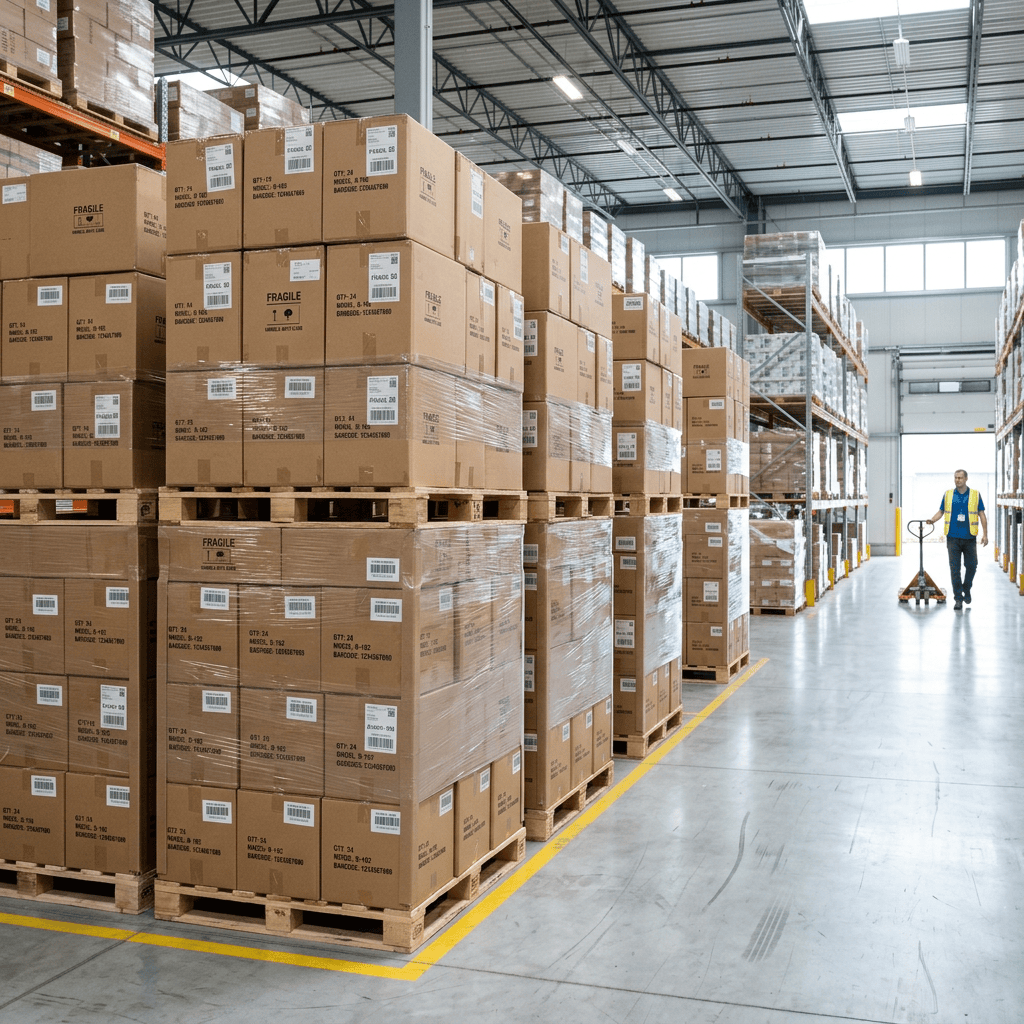
Warehouse with stacked pallets on wooden platforms and a worker moving a pallet jack
A warehouse worker transports pallets among neatly stacked boxes in a spacious facility

And having a clean packing area gives your workers room to get organized quickly so there aren’t as many errors made by them. 


A business that chooses the right shipping box for each product will save money. It will also save time. Using the right box for the job will cut down on replacements. And using the right box for the job will give your customers a positive view of your business. So, take some time now to figure out what kind of shipping boxes you need and where you will store them. It will be time well spent.

This article discusses three shipping boxes. It looks at why choosing the right shipping box is important. It examines questions that consumers have asked. And finally, it answers questions that consumers have asked about shipping boxes.

The purpose of this article is to inform readers about shipping boxes. The author wants to tell readers about the importance of using the correct shipping box. He also wants to answer common consumer questions about shipping boxes. In addition, he wants to inform readers about how to choose the right shipping boxes for their products.

The intended audience for this article includes people who are interested in learning more about shipping boxes. Those people include owners of businesses that ship items; managers of warehouses; and anyone else involved in the process of getting products delivered to customers.

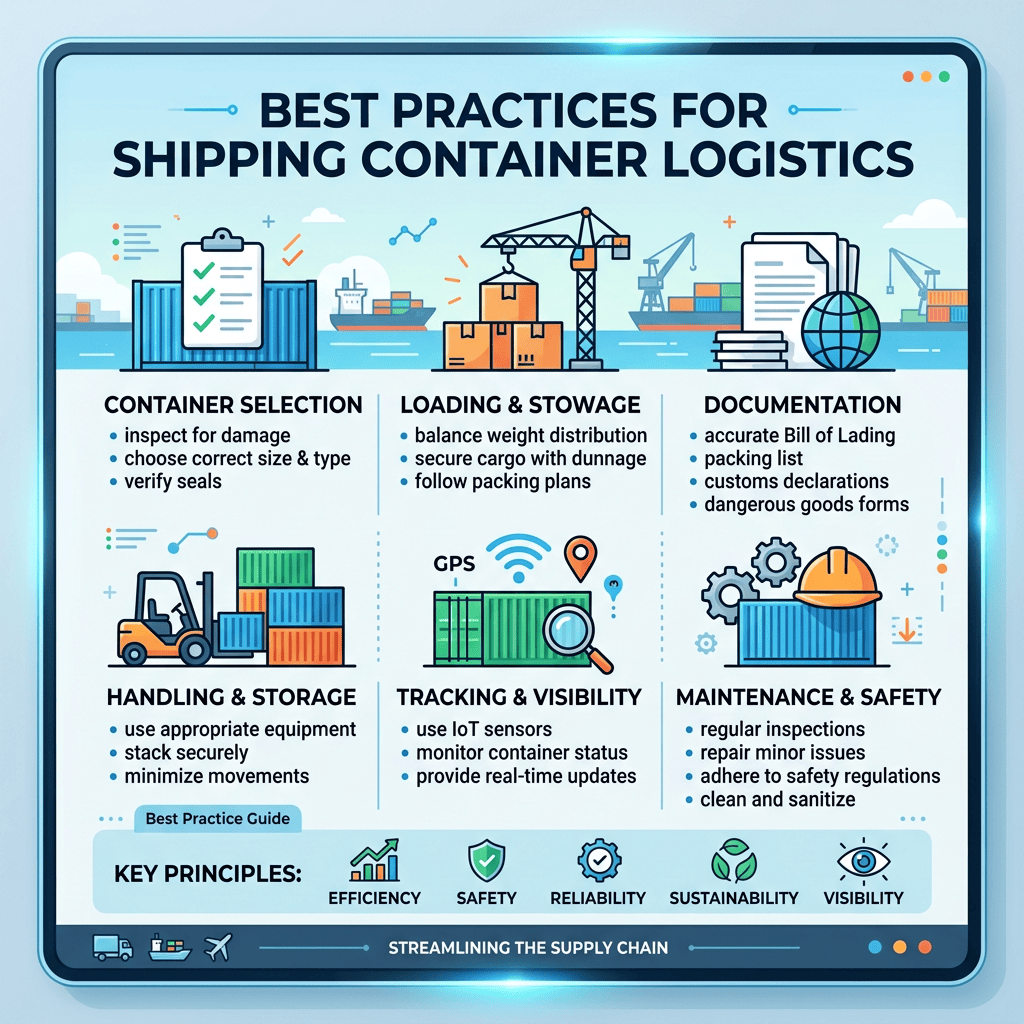
Best practices for shipping container logistics including container selection, loading, documentation, handling, tracking, and safety
Key best practices for efficient and safe shipping container logistics

The key points covered in this article are:

• The proper selection of shipping containers can greatly affect the safety and security of packages.
• Different products require different types of shipping containers.
• Properly sized containers (neither too big nor too small) can improve package stability during shipment.
• Most businesses would benefit from keeping a limited supply of common container sizes in inventory.
• Packaging materials should be kept clean and free of dust.
• Storage areas should remain clean and organized.

Maintain Privacy for Your Private Order

Some items don’t need to make their presence known at the front door. In many cases, an easily identifiable brand logo, product name or small mailer can reveal more information about the customer’s purchase than they want others to know. This could potentially ruin a gift, identify a sensitive personal issue or attract the attention of a thief. Effective packaging provides protection for the contents by providing a neutral-looking package on the exterior, while protecting the contents on the interior.

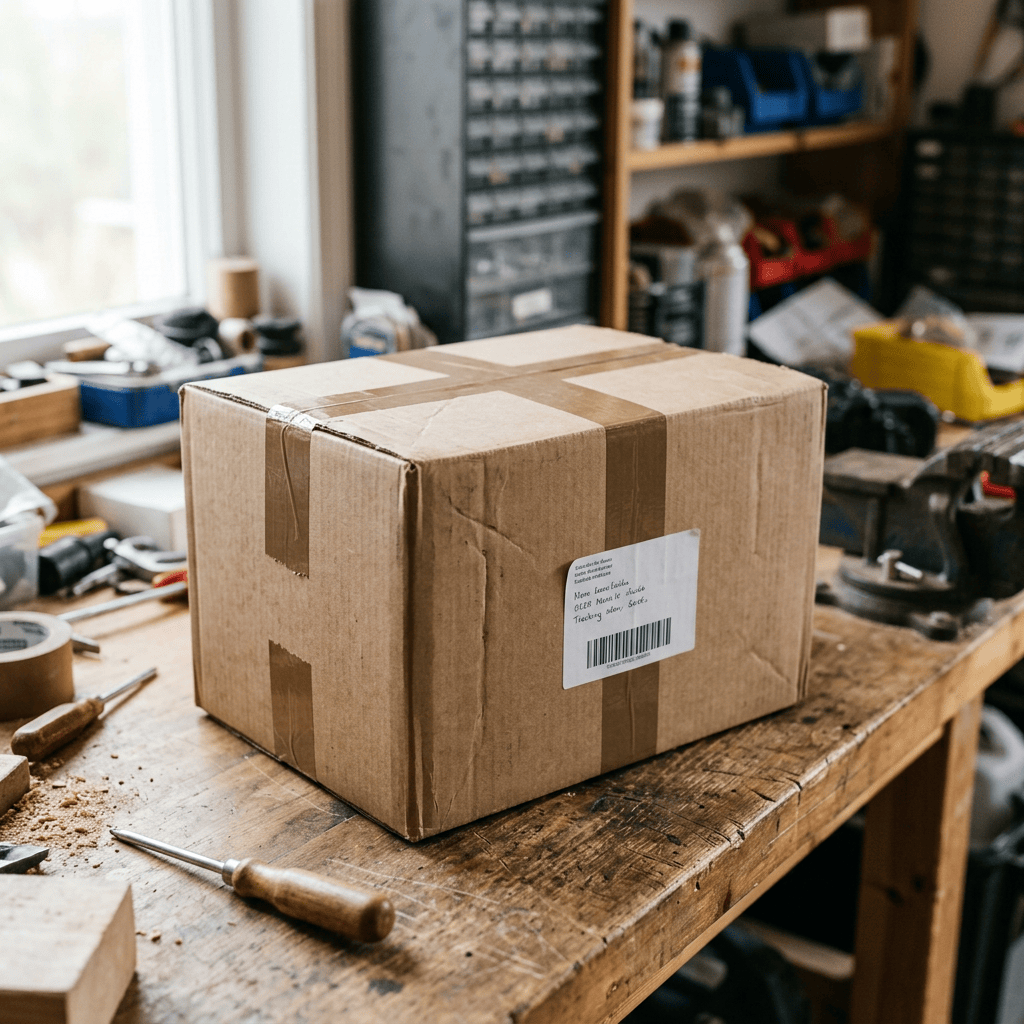
Sealed cardboard box with a shipping label on a cluttered wooden workbench in a workshop.
A sealed cardboard box sits on a wooden workbench in a workshop.

Choose unmarked boxes (brown or white) for products that require anonymity. Use an opaque mailing envelope for lightweight and soft items as well. Inspect the mailer against a light source prior to purchasing a larger quantity. If you are able to view the shape, color or printing through the envelope then so will everyone else who handles it, including anyone carrying it down the hallway.

Following this review of the external packaging, examine the shipping label. Where allowed by company regulations, consider using a generic name for your business as part of the “From” section of the shipping label. Also eliminate any reference to product names, images, etc., from the shipping label. Using a brief order number can assist your staff in locating the sale but will also conceal the contents. The address and barcode must remain legible.

Never disguise relevant information that may be necessary for either the shipper or a Customs agency. A discreetly packaged item is not a misleading item. Cross-border shipments may require accurate and truthful customs documentation. You can provide confidentiality to the purchaser while complying with all applicable shipping requirements. Simply place all mandated data on the customs document and maintain the remaining portions of the outer packaging blank.

Your branding can await until after the recipient has opened the package. Print your logo, thank you letter, user manual, promotional material, etc., inside the package. Gifts often require a packing list (without pricing) as well. Include a link on your website for customers to select whether they wish to receive a priced packing list during checkout or simply a “Gift Packing List.” The surprise remains hidden safely but the individual receiving the package receives a friendly greeting nonetheless.

Streamline your process for packaging for employees. Store all plain boxes, transparent envelopes, and basic tape in one designated area. Include a discreet pack note to your order screen. Conduct an initial inspection and upon completion of this task, have a second employee inspect both sides of the package to ensure there were no stickers left behind containing product identification; old box prints; label notes; etc. This visual inspection takes very little time to complete and is a significant deterrent to errors.

Brown paper wrapped gift box tied with natural twine on wooden surface
A neatly wrapped brown paper gift tied with rustic twine sits on a wooden table.

Explain what “private” means within your context on your website. Explain that all packaging is neutral (the outside is plain and the sender’s name is non-descriptive), if that is indeed how you handle your packages. Avoid making claims that absolutely nothing can ever determine what is contained in the package. Transparency builds much greater confidence among consumers than over-the-top promises. If feasible, use environmentally-friendly paper wraps or boxes as well. They take up less space; produce less waste; and provide consumers with discretion without producing excess packaging materials.

Ultimately, your objective is straightforward: The consumer receives his/her merchandise and no indication of what was shipped exists anywhere on the packaging. The shipment arrives with fewer concerns — and that represents great service from beginning to end.