Packaging with Embedded Renewable Energy Solutions 

Some packaging is expanding outside of the box, and creating renewable energy solutions with the transit process. Some of these include solar cells and other renewable energy, such as water-powered or even solar powered elements that can be included in the packaging.   It’s unique, and something that some companies are looking at. 

But is it feasible? Can companies use the renewable energy incentives to power up their packaging, giving it the ideal state that it should be? Let’s find out how this new, and unique form of packaging is standing out, and giving people another type of eco friendly packaging incentive. 

Use for This 

The use for this is mostly energy-focused. Some companies have started to include solar-powered lights with their products, and it will charge these items without needing to plug it into the wall.   Some outdoor gear may also power it up through solar-powered energy, or even water power.   Put some water inside, and it will power it on the way to the customer so that they can use this immediately. 

It might seem strange, but lights and small devices thrive with this type of packaging, hence why some companies are investing in this type of packaging experience. 

The applications 

The applications for this are tech gadgets especially. Lots of tech items are powered by solar or wind functions, and many times, they come out of the box with some juice, a contrast to other companies that give these items, but they don’t effectively work until after there’s some charging done. 

Some camping equipment uses this too, because when you’re camping you’ll have solar and wind power, allowing you to use this item right away. 

Emergency kits also use solar-cell batteries to help with powering up. Again, when it’s being used in a more sensitive area, you’re going to want to make sure that you have power right away. This option gives it that, and so much more. 

The benefits 

There’s a lot of benefits that come with this. it adds more functionality and appeals to eco-friendly customers. There’s a sort of feature that customers like because they’re able to get it out of the packaging and then use this right away. it’s great as well for those who are worried about getting the item’s power quickly enough. For emergency items, time is of the essence. Giving them a way to power up and function is equally as important, and really improves the experience on multiple levels. 

The only drawback to this is the costs, because some customers want to be able to use this, and they might need to pay more for the packaging and batteries included. Factor that in, so you’re able to give customers the experience they want. 

Future trends 

There’s a lot of potential for this kind of packaging. The biggest one is wireless charging that’s compatible with the packaging, or integrated kinetic energy harvesters, where the energy is directly taken from the item and put into the product that’s there. It can give faster, better energy to the items that are there, improving the overall experience that one has when they’re utilizing this type of packaging experience. 
When you’re making your packaging appeal to people, you need to give them something reliable and unique. Eco Friendly brands should consider this type of packaging because it gives them another possibility, and really improves the overall experience. By doing this, more businesses are able to give their customers the things they desire, and it builds the brand and business, skyrocketing everyone to new, more profound heights that will really enhance their experience overall. 

Maintain Privacy for Your Private Order

Some items don’t need to make their presence known at the front door. In many cases, an easily identifiable brand logo, product name or small mailer can reveal more information about the customer’s purchase than they want others to know. This could potentially ruin a gift, identify a sensitive personal issue or attract the attention of a thief. Effective packaging provides protection for the contents by providing a neutral-looking package on the exterior, while protecting the contents on the interior.

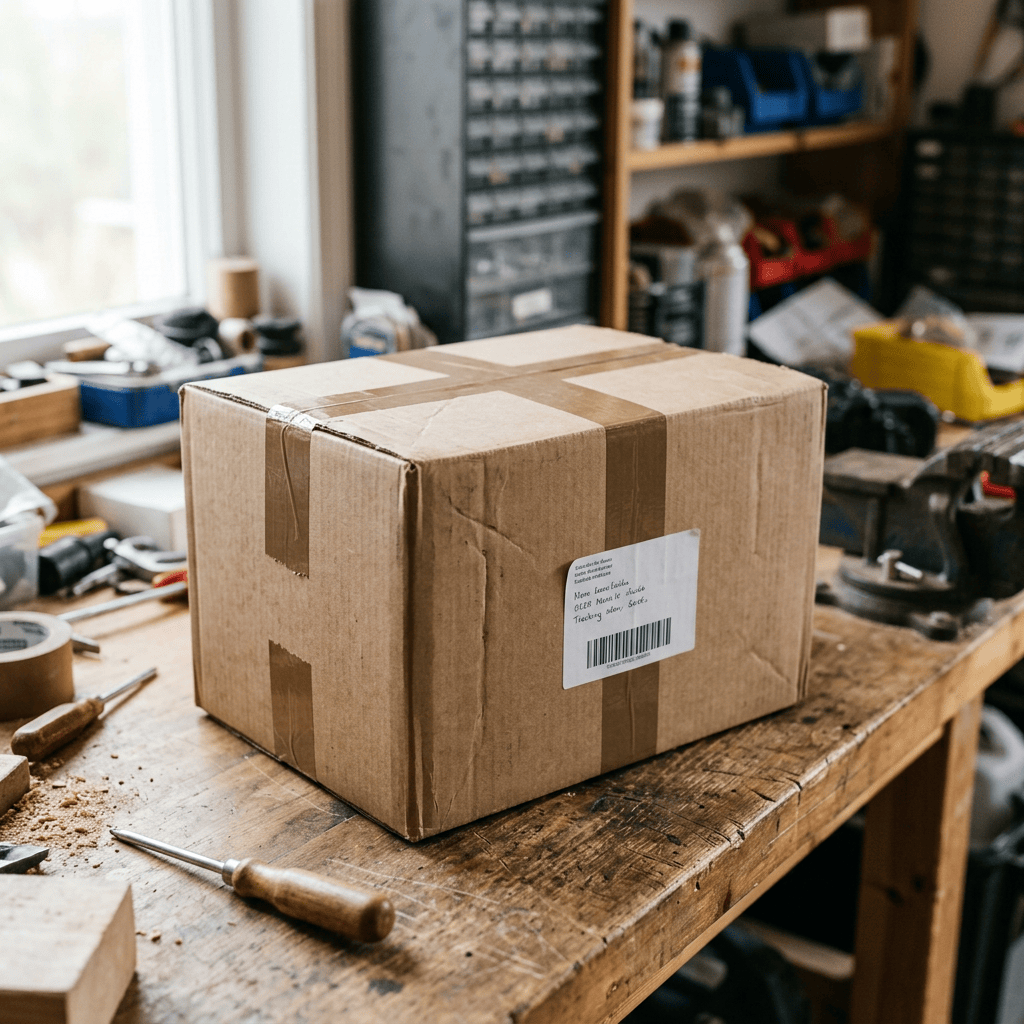
Sealed cardboard box with a shipping label on a cluttered wooden workbench in a workshop.
A sealed cardboard box sits on a wooden workbench in a workshop.

Choose unmarked boxes (brown or white) for products that require anonymity. Use an opaque mailing envelope for lightweight and soft items as well. Inspect the mailer against a light source prior to purchasing a larger quantity. If you are able to view the shape, color or printing through the envelope then so will everyone else who handles it, including anyone carrying it down the hallway.

Following this review of the external packaging, examine the shipping label. Where allowed by company regulations, consider using a generic name for your business as part of the “From” section of the shipping label. Also eliminate any reference to product names, images, etc., from the shipping label. Using a brief order number can assist your staff in locating the sale but will also conceal the contents. The address and barcode must remain legible.

Never disguise relevant information that may be necessary for either the shipper or a Customs agency. A discreetly packaged item is not a misleading item. Cross-border shipments may require accurate and truthful customs documentation. You can provide confidentiality to the purchaser while complying with all applicable shipping requirements. Simply place all mandated data on the customs document and maintain the remaining portions of the outer packaging blank.

Your branding can await until after the recipient has opened the package. Print your logo, thank you letter, user manual, promotional material, etc., inside the package. Gifts often require a packing list (without pricing) as well. Include a link on your website for customers to select whether they wish to receive a priced packing list during checkout or simply a “Gift Packing List.” The surprise remains hidden safely but the individual receiving the package receives a friendly greeting nonetheless.

Streamline your process for packaging for employees. Store all plain boxes, transparent envelopes, and basic tape in one designated area. Include a discreet pack note to your order screen. Conduct an initial inspection and upon completion of this task, have a second employee inspect both sides of the package to ensure there were no stickers left behind containing product identification; old box prints; label notes; etc. This visual inspection takes very little time to complete and is a significant deterrent to errors.

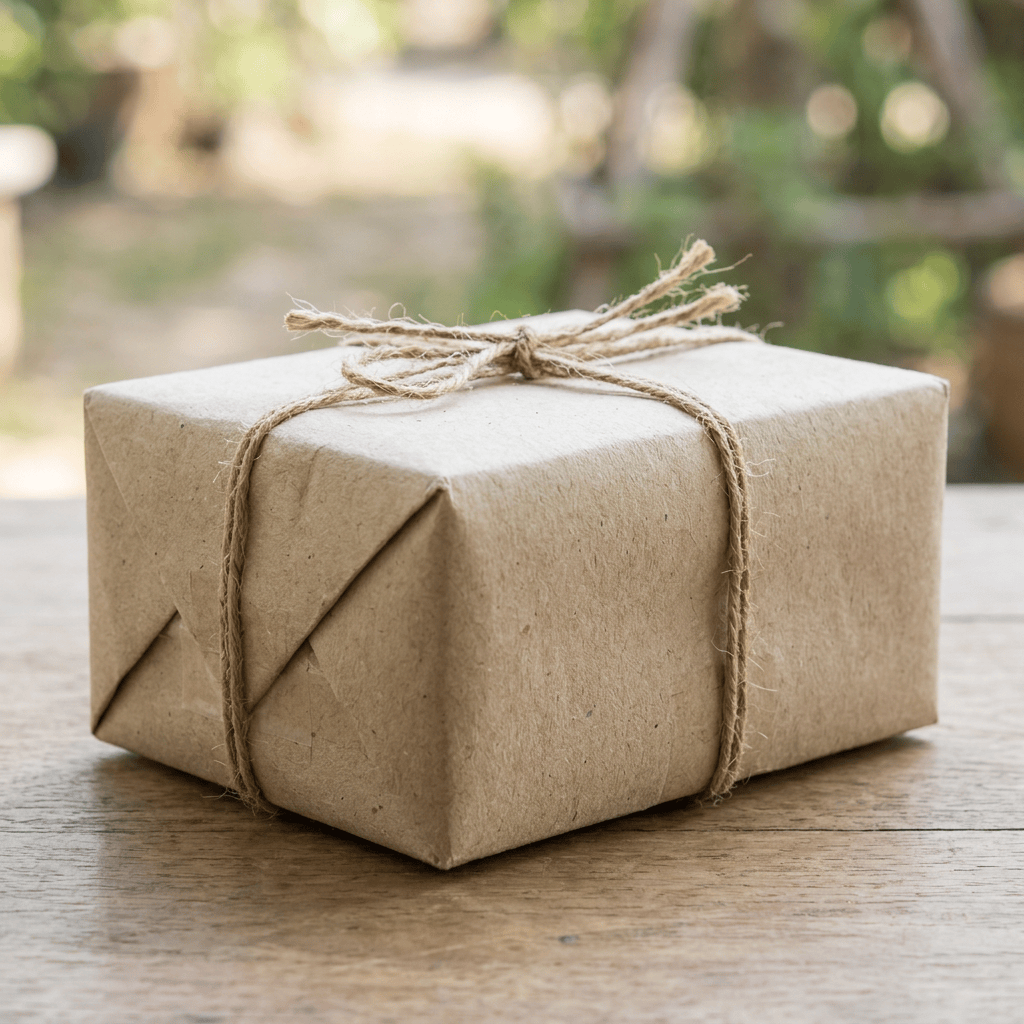
Brown paper wrapped gift box tied with natural twine on wooden surface
A neatly wrapped brown paper gift tied with rustic twine sits on a wooden table.

Explain what “private” means within your context on your website. Explain that all packaging is neutral (the outside is plain and the sender’s name is non-descriptive), if that is indeed how you handle your packages. Avoid making claims that absolutely nothing can ever determine what is contained in the package. Transparency builds much greater confidence among consumers than over-the-top promises. If feasible, use environmentally-friendly paper wraps or boxes as well. They take up less space; produce less waste; and provide consumers with discretion without producing excess packaging materials.

Ultimately, your objective is straightforward: The consumer receives his/her merchandise and no indication of what was shipped exists anywhere on the packaging. The shipment arrives with fewer concerns — and that represents great service from beginning to end.