Some items don’t need to make their presence known at the front door. In many cases, an easily identifiable brand logo, product name or small mailer can reveal more information about the customer’s purchase than they want others to know. This could potentially ruin a gift, identify a sensitive personal issue or attract the attention of a thief. Effective packaging provides protection for the contents by providing a neutral-looking package on the exterior, while protecting the contents on the interior.
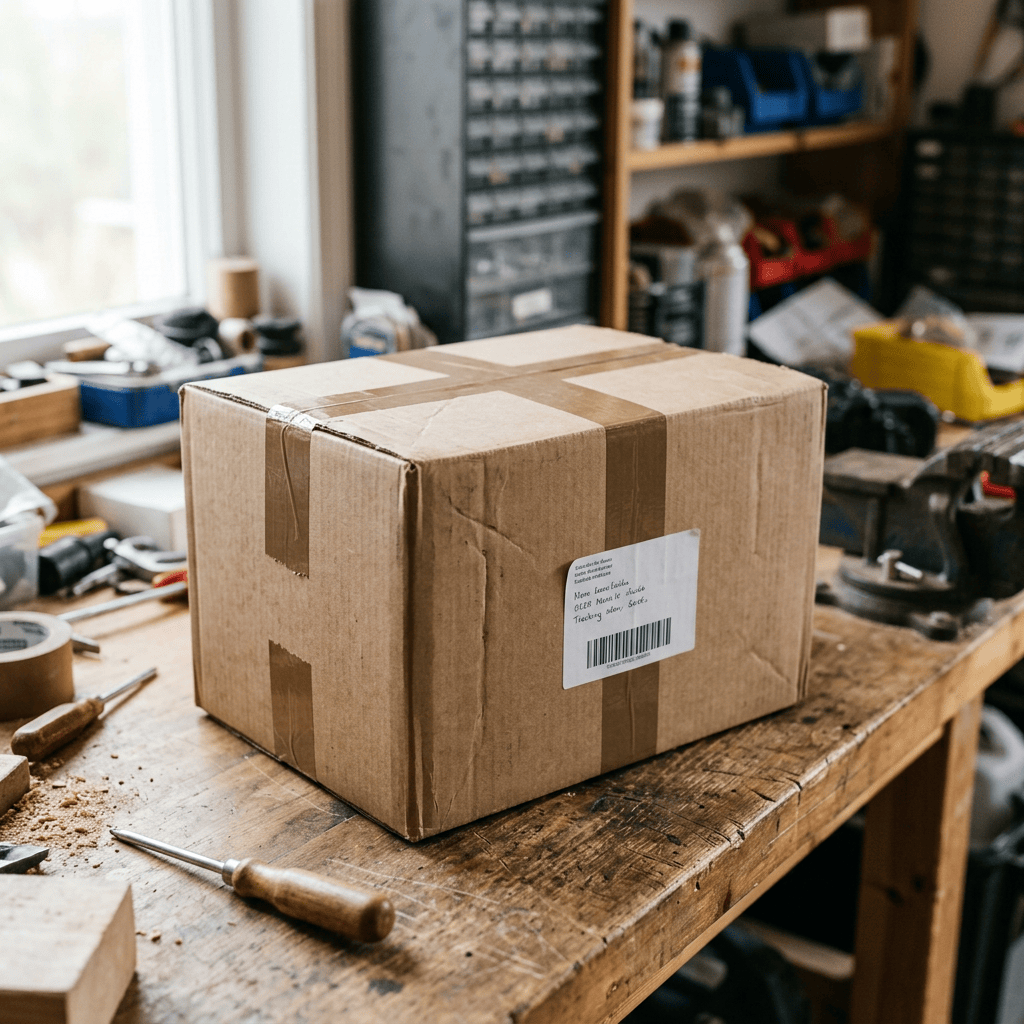
Choose unmarked boxes (brown or white) for products that require anonymity. Use an opaque mailing envelope for lightweight and soft items as well. Inspect the mailer against a light source prior to purchasing a larger quantity. If you are able to view the shape, color or printing through the envelope then so will everyone else who handles it, including anyone carrying it down the hallway.
Following this review of the external packaging, examine the shipping label. Where allowed by company regulations, consider using a generic name for your business as part of the “From” section of the shipping label. Also eliminate any reference to product names, images, etc., from the shipping label. Using a brief order number can assist your staff in locating the sale but will also conceal the contents. The address and barcode must remain legible.
Never disguise relevant information that may be necessary for either the shipper or a Customs agency. A discreetly packaged item is not a misleading item. Cross-border shipments may require accurate and truthful customs documentation. You can provide confidentiality to the purchaser while complying with all applicable shipping requirements. Simply place all mandated data on the customs document and maintain the remaining portions of the outer packaging blank.
Your branding can await until after the recipient has opened the package. Print your logo, thank you letter, user manual, promotional material, etc., inside the package. Gifts often require a packing list (without pricing) as well. Include a link on your website for customers to select whether they wish to receive a priced packing list during checkout or simply a “Gift Packing List.” The surprise remains hidden safely but the individual receiving the package receives a friendly greeting nonetheless.
Streamline your process for packaging for employees. Store all plain boxes, transparent envelopes, and basic tape in one designated area. Include a discreet pack note to your order screen. Conduct an initial inspection and upon completion of this task, have a second employee inspect both sides of the package to ensure there were no stickers left behind containing product identification; old box prints; label notes; etc. This visual inspection takes very little time to complete and is a significant deterrent to errors.

Explain what “private” means within your context on your website. Explain that all packaging is neutral (the outside is plain and the sender’s name is non-descriptive), if that is indeed how you handle your packages. Avoid making claims that absolutely nothing can ever determine what is contained in the package. Transparency builds much greater confidence among consumers than over-the-top promises. If feasible, use environmentally-friendly paper wraps or boxes as well. They take up less space; produce less waste; and provide consumers with discretion without producing excess packaging materials.
Ultimately, your objective is straightforward: The consumer receives his/her merchandise and no indication of what was shipped exists anywhere on the packaging. The shipment arrives with fewer concerns — and that represents great service from beginning to end.

