Shipping boxes protect products from damage. But they do more than that. Shipping boxes also protect a company’s reputation. When a customer receives an order in a clean, sturdy packaging, it shows that a business cared enough to pack the order correctly. This builds confidence with the customer. And confident customers will buy from you again.
There are ways to check if a shipping box is usable. One way is to check for tears, crushes and moisture. All of those things weaken a shipping box and could lead to problems down the road. Another thing to consider is how well a shipping box will stack up. Stacking boxes in a neat pile in a dry area protects them and keeps them ready to use.
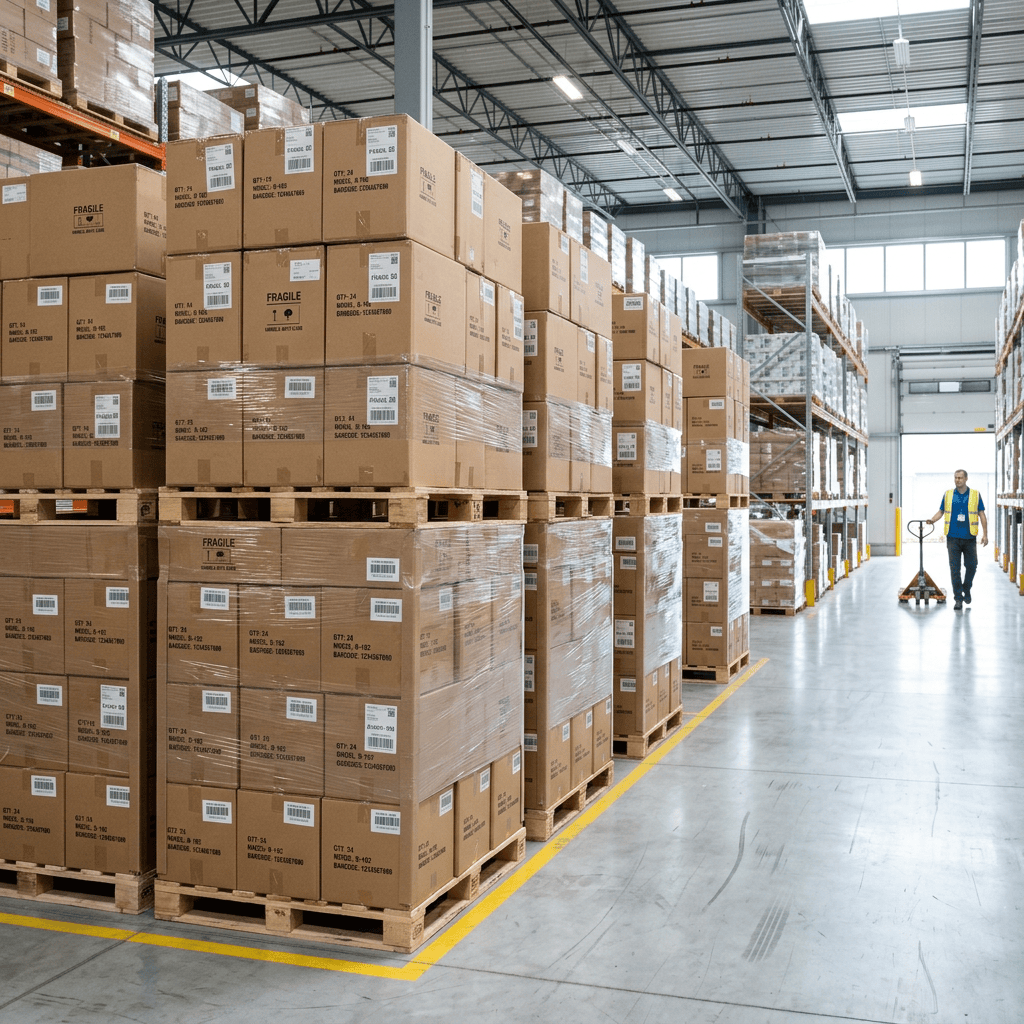
And having a clean packing area gives your workers room to get organized quickly so there aren’t as many errors made by them.
A business that chooses the right shipping box for each product will save money. It will also save time. Using the right box for the job will cut down on replacements. And using the right box for the job will give your customers a positive view of your business. So, take some time now to figure out what kind of shipping boxes you need and where you will store them. It will be time well spent.
This article discusses three shipping boxes. It looks at why choosing the right shipping box is important. It examines questions that consumers have asked. And finally, it answers questions that consumers have asked about shipping boxes.
The purpose of this article is to inform readers about shipping boxes. The author wants to tell readers about the importance of using the correct shipping box. He also wants to answer common consumer questions about shipping boxes. In addition, he wants to inform readers about how to choose the right shipping boxes for their products.
The intended audience for this article includes people who are interested in learning more about shipping boxes. Those people include owners of businesses that ship items; managers of warehouses; and anyone else involved in the process of getting products delivered to customers.
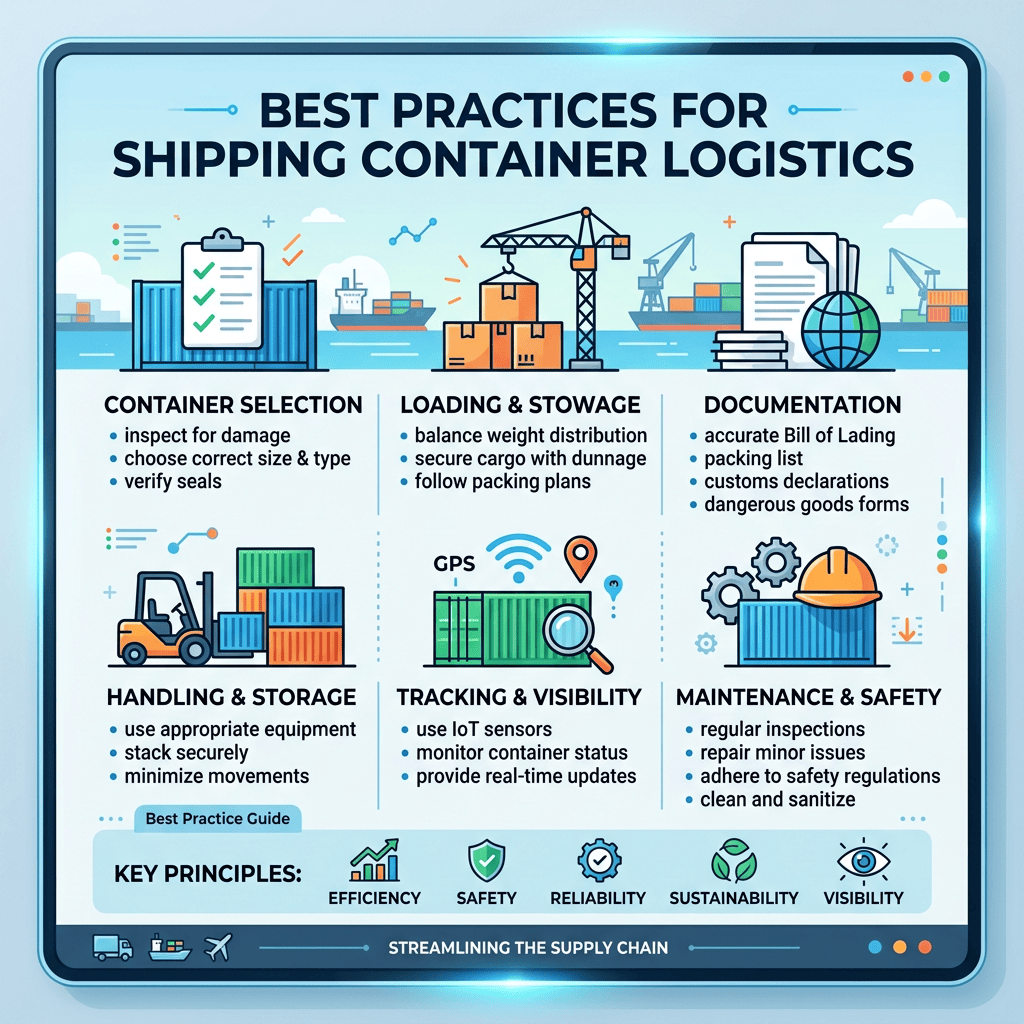
The key points covered in this article are:
• The proper selection of shipping containers can greatly affect the safety and security of packages.
• Different products require different types of shipping containers.
• Properly sized containers (neither too big nor too small) can improve package stability during shipment.
• Most businesses would benefit from keeping a limited supply of common container sizes in inventory.
• Packaging materials should be kept clean and free of dust.
• Storage areas should remain clean and organized.

