As customers today continue to look for circular solutions for packaging and their products, a lot of suppliers need to evaluate how their films will support or not get people to follow the correct recycling habits that are there. While many are using downgauging, a lot of recyclable solutions for labeling including crystallization and floatable types of films offer new and better possibilities for manufacturers.
In this, we’ll discuss some of the resources needed for plastic labeling and recyclability, highlighting some of these amazing developments in the world of shrink sleeves, and offering new equipment that’ll make this easy to introduce and innovate into new markets.
Recyclability of Plastic
First, we need to talk about product packaging and the recyclability of this. the best way to start is through containers.
Some different organizations are helping customers get better equipped than before on proper recycling.
One of them is How to Recycle. They have a label on this packaging, and brands that partner with this will tell the customers that this form of packaging is great to recycle, from the primary within to even the secondary that covers it. even those labels are recyclable.
There are also the association of plastic recyclables, an organization that’s associated with representation of plastics in the industry, and the recycling of such. Known as the APR, they do have guidelines that are there, which are great for labeling different converters, helping to understand each of the attributes of these materials and films, so that they can craft better, sustainable solutions for labeling. Whether it’s PET, PVC, HDPE, or even PE, it does have some guidelines for all of the plastic that’s there.
Innovations in Labeling Tech
There are now new shrink label products that meet the recyclability guidelines, meaning that they are able to be recycled based on the guidelines.
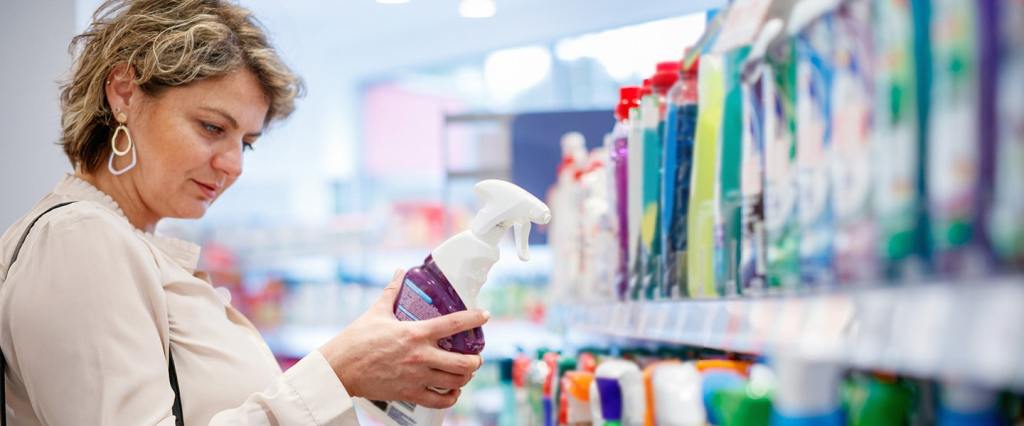
These include solvent-based washable inks, which means that you just have to wash it off, and then it can be recycled.
There are also other recycling films, and it offers an easy washing of the co-polyester and crystallization of this.
Another one is from Garware, which uses a washable Indico Electronic from HP, which can easily be washed off. This is good as well for allowing these to be recycled, along with the PET too.
There is also the CCL label polyolefin shrink labeling that they call the Eco float. It does float away from the float-sink or PET tanks. When this is used, the inks do remain within the label in order to avoid some training to clear PET flakes in this.
There is also hyperlink, which is a packaging company that’s now selected and has sustainability awards in the realm of machinery, and also ASD technology for hybrid systems.
They’re innovations, and they are exciting. However, they can’t be totally realized until these label converters are able to apply these to all of the products that are there, no matter the choice.
Convertible Sustainable Shrink Films
Finally, we’ve got sustainable shrink films that are great for shrink sleeves. There are label suppliers and partners that’ll test and further validate the solutions on the shrink sleeve and the conversation machines.
While there are convertible equipment that’s innovative, converting these films and adjusting is a good way to reduce the tension there, offering some shrink sleeving that’s seamless for people.

This is something that many are using, and it’s offered a means for these manufacturers to apply the labels without compromising shelf appeal.
There are many innovations, and in the future, there will probably be more, especially when tackling products in the realm of innovation.
 Stretch Film Business