Surface protection tape is something that a lot of people will use on their surfaces. The goal of this is to prevent radiations, scratches, dirt, and even abrasions on surfaces that don’t require this. It’s an adhesive that’s created by thin layers that get bonded so that a barrier is created between the surface, and any external intruders including stains are taken out.
It protects the product from practically anything that demands a sort of protection that’s unparalleled. You can also get this for carpets too, so that if you need to protect a surface from the sun and other harmful light, this is possible in many different cases.
When you are busy doing this though, there are certain conditions that do require to be met for the correct results. These conditions include the following:
- How smooth and how rough this surface is: if the surface is a bit uneven and rougher, then you’ll need an adhesive that’s thicker and is much better too
- Painted or coated: if there is a coated surface, you have to be careful with the adhesive that you use, as there might be chemical reactions you wish to avoid in this case
- Dry or clean surfaces: if the surface is dirty, it’ll impact the adhesion of the tape that’s used there. clean surfaces are best used for the adhesion of the product
- The high temperature exposure: some of these adhesives are very resistant to higher temperatures. Acrylic usually can handle up to 350 degree temperatures. Silicone can get up to 500 degrees, and usually, the rubber usually works best up to 150 degrees in most instances
- The type of surface: the surface type also has different factors too. Wood, glass, even plastic and stone and some metals do have some different adhesions. Ceramic too, as in the case of tiles and the like that might benefit from the usage of this item.
- Outdoor applications: the rays from the sun, along with the UV rays, do impact the adhesive effectiveness on a major level. The films might get yellowed and more brittle if this is the wrong adhesive, and it’s being subjected to sunlight that’s direct
- The adherence length: in the instance of long-term types of products, you might need other substances to improve the adherence of the item to the surface as well
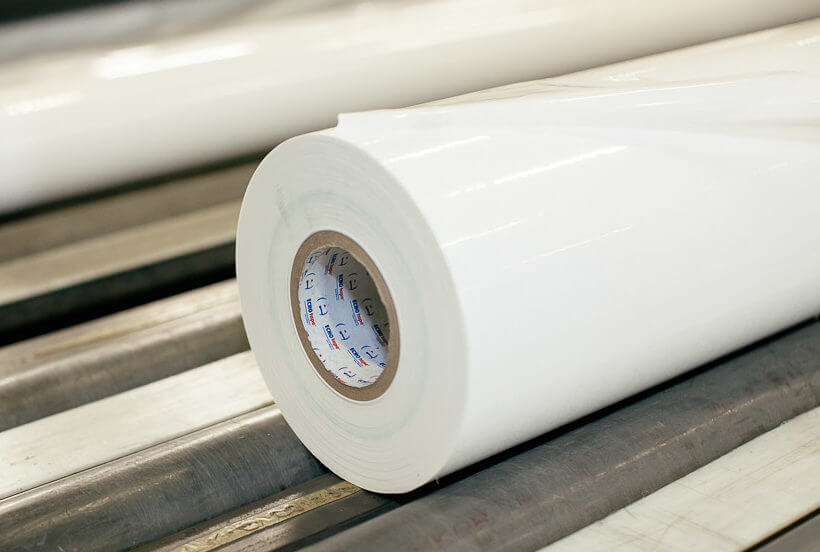
This carpet and protection is great, especially when you apply all of this correctly, especially once you understand the requirements of the surface and the like. But, a lot of users do have some challenges with the tape, and how it’s removed.
The main problems are:
- The surface adhesion is bad, mostly if the floor is contaminated, or if the wrong adhesive or non-stretchiness of the film is not properly utilized
- The deboning. This is where the adhesive gets pulled off, and some of the residue gets left behind. You can remove this, especially if you use ethanol or acetate, and use a clean cloth to fix this
- Not being able to remove the film: this can be hard if there is too much pressure from the adhesive, and you might need to get the help from a professional in order to remove this from the surface
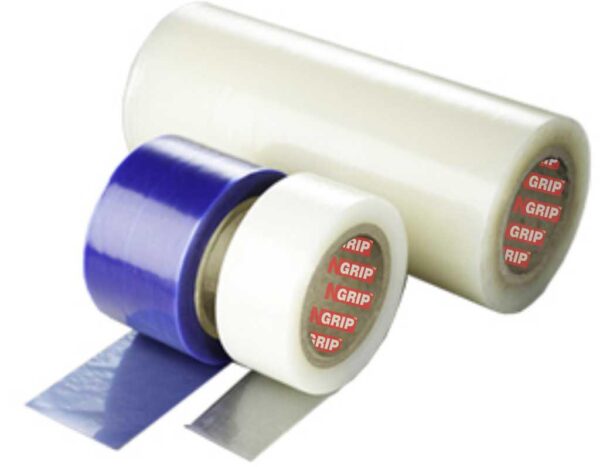
When you’re protecting the carpets, you want to make sure that you use the correct adhesive to protect the surfaces from getting damaged. There are many options, all of which are used for specific purposes that many can benefit from, and other ways to really get the most out of the adhesive too.
 Stretch Film Business